
A Woman’s Work
As International Women’s Day highlights women’s equality at work, many women facing poverty or housing insecurity remain excluded from traditional employment.
Every year on International Women’s Day, attention turns to women’s equality at work. But for many women experiencing homelessness or poverty, traditional employment simply isn’t accessible.
Eighteen years ago, only 10 per cent of our vendors were women. Today, almost 50 per cent are female – the closest we have ever come to gender parity among our vendor community.
There is no single explanation for this shift, but rising levels of homelessness are a significant factor. Our latest vendor audit data shows that women in our community are more likely to be homeless or to have experienced homelessness (40 per cent) than men (27 per cent).
This reflects a wider national picture. The number of women experiencing homelessness in England has increased, and they are often being let down by a system largely designed around male patterns of homelessness.
Housing insecurity is also shaped by wider economic inequality. In recent years, eviction from privately rented homes has become one of the main drivers of homelessness. The gender pay gap means that women in full-time employment still earn less on average than men, making them more vulnerable to falling behind on rent and facing housing instability.
While 45 per cent of vendors have previously been employed, men are far more likely to report past employment (67 per cent) than women (13 per cent). Men are also more likely to hold formal qualifications (37 per cent) than women (6 per cent).
Childcare and caring responsibilities increase the risk of poverty for many women. Most of our female vendors are mothers or caregivers, which can restrict when and where they are able to work.
For many women, a limited employment history is a result of their cultural background. A significant proportion of female vendors come from Roma communities, where access to education and training has historically been restricted. In some traditional Roma households, women may marry young and take on childcare and domestic responsibilities early in life, meaning that education and employment are often not prioritised.
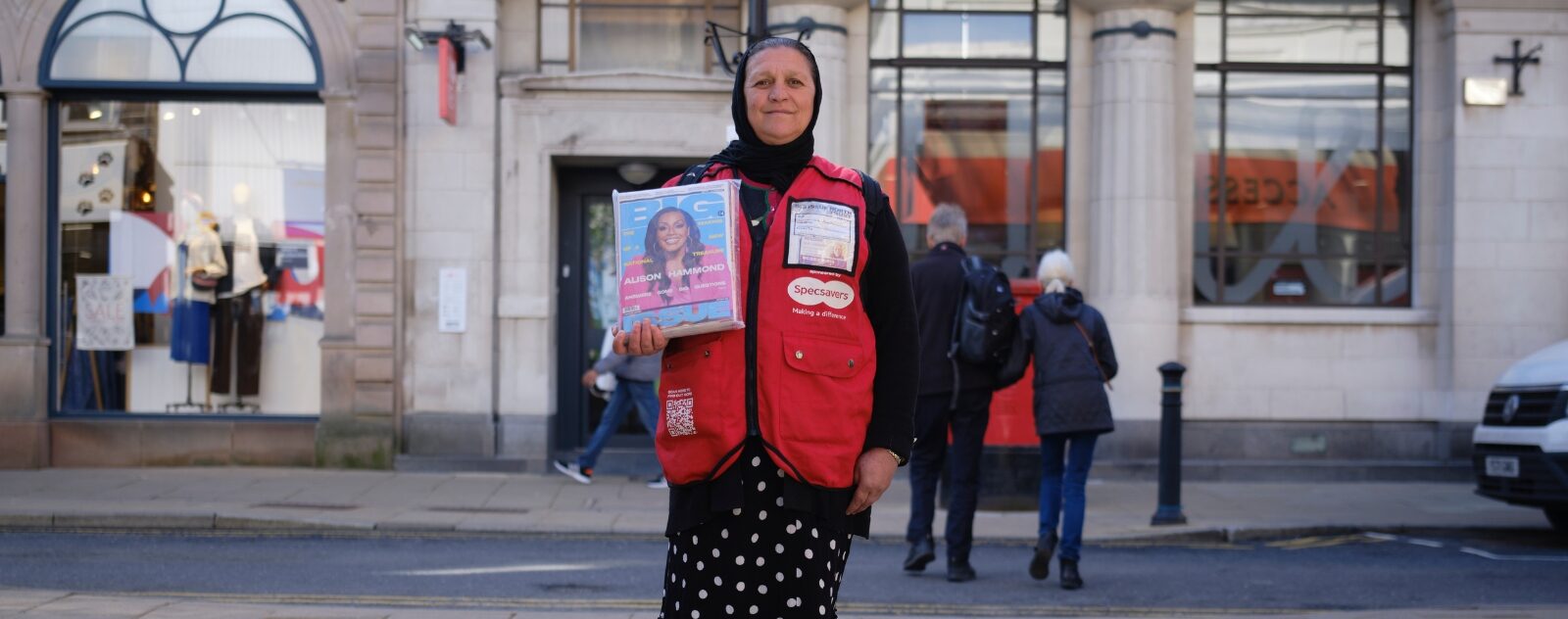
“When I am not selling the magazine, I look after my children,” says Angrustina, a vendor based in Sheffield. She has sold the magazine for four years, having moved from Romania to find work and support her family.
Childcare and caring responsibilities also increase the risk of poverty for many women. Most of our female vendors are mothers or caregivers, which can restrict when and where they are able to work.
For women like Angrustina, the flexibility of vending makes a real difference. Selling the magazine allows vendors to work around childcare, family responsibilities, and other commitments.
On average, a Big Issue North vendor earns around £60 per week. Because selling the magazine is recognised as self-employment, vendors do not receive sick pay or paid leave. When sales fall, the impact can be immediate.
Supporting vendors – whether by buying the magazine or donating to the Big Issue North Trust – helps women to continue earning an income and to access the advice and support that can improve their lives.
To donate to Big Issue North, please visit our JustGiving page, or text BINORTH to 70201 to give £1, 70331 to give £3, 70970 to give £5 or 70191 to give £10. Texts will cost your donation amount + standard network message charge. Thank you.



Leave a reply
Your email address will not be published.