
The past is present
June is Gypsy, Roma and Traveller History Month. To address the discrimination these communities can face today, we have to recognise how deeply it is rooted in centuries of persecution and exclusion.
June is Gypsy, Roma, and Traveller History Month. It is an annual awareness event, established in Britain in 2008 as a way of deepening the understanding of these communities, celebrating Gypsy, Roma, and Traveller (GRT) contributions to society, and offsetting negative stereotyping and prejudices.
Gypsy, Roma and Traveller communities have long histories of persecution and exclusion.
From the 16th century onward, laws were enacted across Europe that allowed the state to execute, imprison or banish those perceived to be Gypsies. For Roma and Sinti people, the genocide carried out under Nazi rule saw hundreds of thousands of people systematically murdered.
In the UK, GRT groups have been heavily targeted by vagrancy laws. Their lifestyles and cultures have been subject to criminalisation, contributing to the continued marginalisation of people because of their ethnicity, culture and ways of life.
This intolerance has not been confined to history. In 2023, the Council of Europe, the leading human rights organisation on the continent, reported “troublingly persistent” levels of discrimination against Gypsy, Roma and Traveller communities. Roma communities have been described by Amnesty International as among the most deprived in Europe. They continue to face barriers in education, healthcare, employment, housing and accommodation, alongside hostility in public life.
The current political climate is compounding that. Immigration is once again at the centre of national debate in the UK. In a recent survey by Ipsos, 41 per cent of people named immigration as an important issue facing Britain, making it the public’s most cited concern.
Whilst Gypsy, Roma and Traveller people should not all be defined through the lens of migration, they very often are. Many Gypsy and Traveller communities have lived in Britain and Ireland for centuries, while Roma communities have their own distinct histories and experiences. But when public debate is repeatedly focused on ‘who belongs’ in Britain, it has consequences for people already, historically, treated as unwelcome outsiders.
62 per cent of Gypsy, Roma and Traveller people had experienced a racial assault, the highest proportion of any minority ethnic group surveyed. Among Roma people, 47 per cent had experienced a racial assault, with 35 per cent reporting a physical racist attack.
For many in the GRT community, this perception has proved dangerous. Research from the Centre on the Dynamics of Ethnicity found that 62 per cent of Gypsy, Roma and Traveller people had experienced a racial assault, the highest proportion of any minority ethnic group surveyed. Among Roma people, 47 per cent had experienced a racial assault, with 35 per cent reporting a physical racist attack.
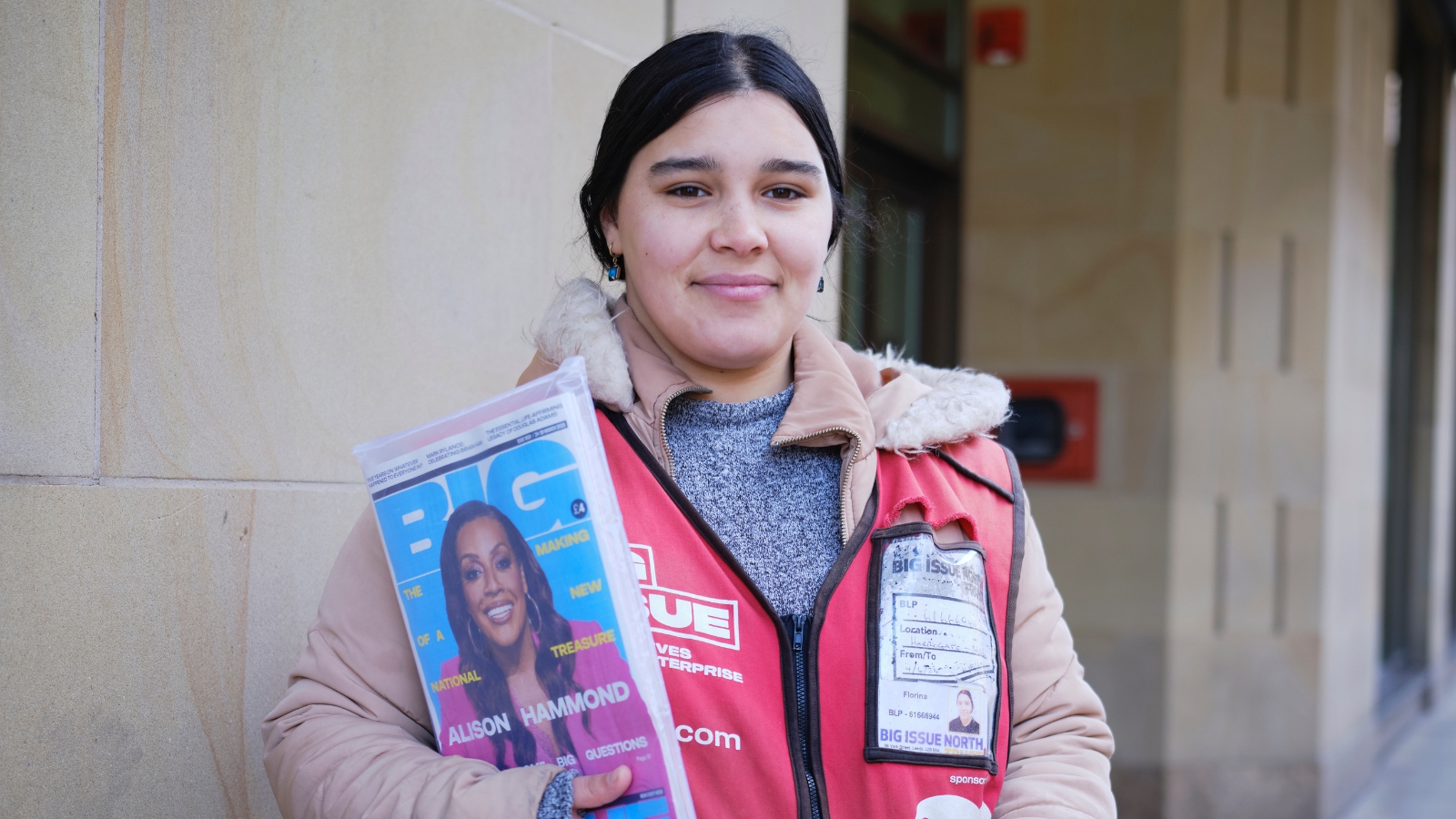
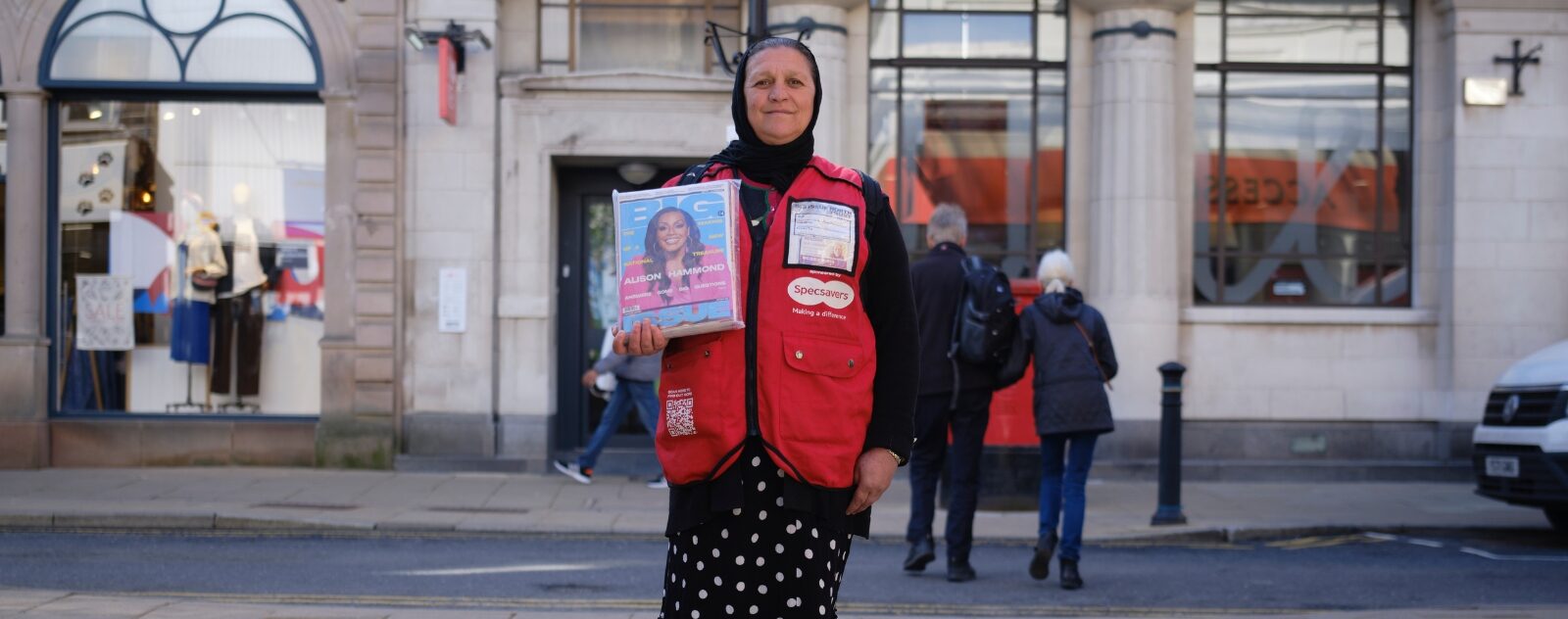
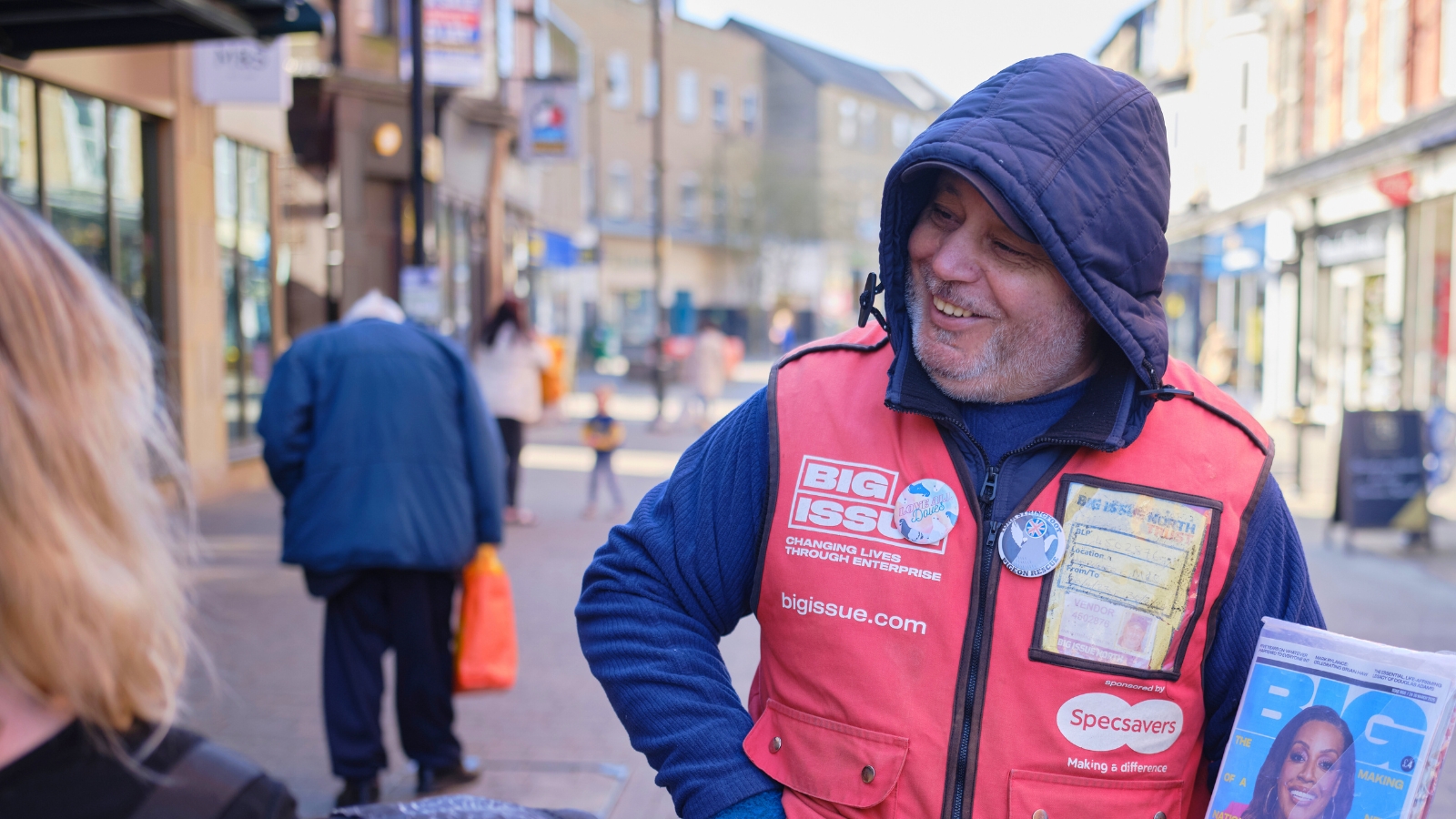
Prejudice also has less visible consequences. At Big Issue North, we see some of this through our work with vendors, many of whom identify as Roma. The discrimination Roma vendors face is often rooted in negative public perceptions: the idea that Roma people are unwilling to work, are involved in criminality, or have moved here simply to take advantage of public services.
Gypsy, Roma and Traveller people can face barriers to accessing support because of mistrust, previous discrimination, digital exclusion, literacy difficulties and a lack of cultural understanding from professionals.
The reality is different. Youth Access found that Gypsy, Roma and Traveller people can face barriers to accessing support because of mistrust, previous discrimination, digital exclusion, literacy difficulties and a lack of cultural understanding from professionals. Almost two-thirds of Big Issue North vendors do not speak English as a first language. A quarter of Roma vendors do not have a phone, and of those who do, only half have a smartphone. Only 15 per cent of non-British vendors hold formal qualifications, compared with 50 per cent of British vendors.
These inequities often begin early. Exclusion rates for Gypsy and Roma pupils are 4.5 times the national average, while more than half of GRT adults have no educational qualifications. Bullying, racism and feeling left out of the curriculum have been cited as major factors in low school attendance rates among GRT children.
This discrimination allows history to repeat itself. Roma people and people from other GRT communities can find themselves in a cycle of exclusion. Services they have been unable to access, or where they have experienced prejudice, can become places they no longer trust. They may then be described as difficult to reach or unwilling to engage. Their experience of exclusion is turned against them, and the barriers remain.
As an organisation that works with people from all backgrounds, we try to remove as many of these barriers as possible so anyone can become a vendor. This is because those who come to us looking to sell the magazine are in real, immediate need of work.
To sell The Big Issue, you do not need a permanent address, ID, bank account, qualifications, or previous work experience. There is no time limit or restriction on how often someone can sell the magazine. We operate under the premise that everyone deserves the right to earn an independent income.
But being a Big Issue North vendor is not without its challenges. Working in public can leave non-British vendors, especially Roma vendors, exposed to the prejudice attached to their identity.
Ana, who sells the magazine in York, described abuse she experienced while working on her pitch: “Some people are racist because I am Roma,” she said. “They say: ‘You are a Gypsy!’ I don’t know why there is this racism. Some people here are very rude. They shout at me, swear at me. They say: ‘Go back to your country!’ That makes me feel sad, but I just leave them and say nothing.”
Breaking a cycle of discrimination so entrenched in history requires a long-term commitment to changing and challenging the systems and environments that allow prejudice to continue.
Everyday racism fuels wider discrimination. It is how the past can stay present. It tells people they are unwelcome and unwanted, even when they are working, contributing and trying to build a life.
Breaking a cycle of discrimination so entrenched in history requires a long-term commitment to changing and challenging the systems and environments that allow prejudice to continue. It takes a collective, conscious effort to challenge abusive behaviours and practices in our society, and to show support to those who are marginalised.
For Eugenia, a Roma vendor based in Garforth, that support is something she sees in the relationships she has built with customers. “Here in England, people have good hearts,” she says. “Those people who help me and who buy the magazine from me. I love my customers. They are good people.”
About Big Issue North and our vendors:
The Big Issue North Trust is a registered charity (charity number 1056041) working across the north. We are a social enterprise in the business of changing lives, creating opportunities for people who have the least, including those who are marginalised and experiencing poverty. We provide the means for anyone who needs it to earn a legitimate income through selling the Big Issue magazine.
To further support people to improve their lives, the Trust also raises funds to provide a range of support for vendors, including help with accessing services, welfare checks, help getting ID, home furnishing packages, breakfast clubs and more. Donate here: Big Issue North Trust – JustGiving



Leave a reply
Your email address will not be published.